Cart
Cart  Login / Register
 CALL Us
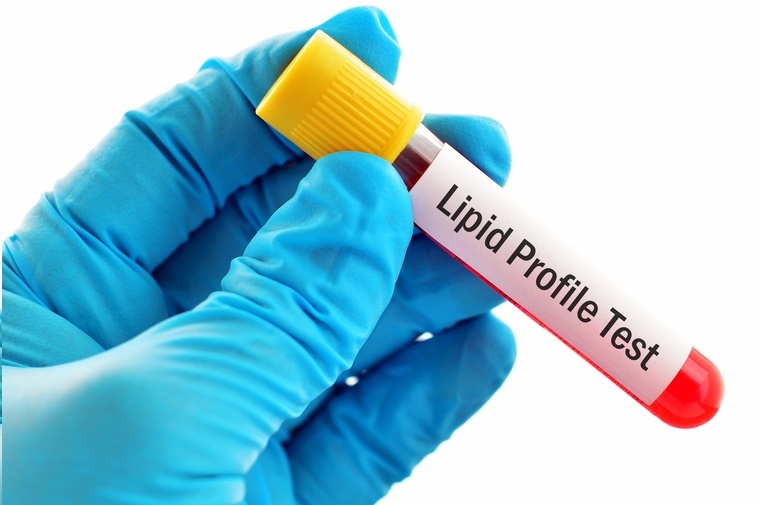
Cardiovascular disease is becoming more frequent all over Nepal, specifically in larger towns such as Kathmandu. People are leading more inactive lifestyles, making poor food choices, experiencing stress, continuing to smoke, and not having their health regularly monitored. All of these factors are increasing the amount of heart disease within the population. Many people focus on the obvious sign of someone being sick, but many diseases, including high cholesterol, develop gradually and without symptoms. This is why it is so important for people in Kathmandu to be screened for an abnormal lipid profile regularly.
A lipid profile is a very simple blood test that provides insight into the amount of different lipids (fats) in an individual’s blood, which will help determine an individual's risk for heart attacks, strokes, and other cardiovascular diseases. By having regular lipid profile tests completed, it is possible to identify abnormalities early when treatment options can be applied, thereby preventing complications which will occur if not attended to early enough.
What is a Lipid Profile Test?
A lipid profile test is commonly referred to as a cholesterol test; however, it outlines the amounts of several types of fats that exist within an individual's blood:
Total or Overall Cholesterol – An estimate of the amount of cholesterol in the blood.
Low Density Lipoprotein (LDL) Cholesterol – Known as 'bad cholesterol' because too much LDL in your body creates a build-up of cholesterol on the walls of your arteries.
High Density Lipoprotein (HDL) Cholesterol – Considered 'good cholesterol'. It helps to clear excess cholesterol from the bloodstream.
Triglycerides – Are fats in your body that you use for energy; when they are too high, this can also increase your risk for cardiovascular conditions.
Very Low Density Lipoprotein (VLDL) – Another type of cholesterol. It is also a contributor to artery-clogging deposits in the body.
This test provides crucial information related to heart health and assists healthcare professionals determine if lifestyle changes are required, or if medical intervention is warranted.
Why Is Lipid Profile Testing Necessary?
Early Detection of High Cholesterol
The major difficulty with high cholesterol is that most of the time you do not know that your cholesterol level is high, until you have a significant event, such as a heart attack or stroke. People with high cholesterol can feel healthy and exhibit no signs or symptoms. Without lipid profile testing you may not know if your cholesterol is high until you have a significant event. Regular lipid panels allow you to detect and monitor high levels of cholesterol promptly.
Support for Healthier Lifestyle Choices
A large metropolis like Kathmandu is often associated with quick pace urban living which encourages people to make poor lifestyle decisions that often lead to unhealthy behaviour. For example - long work hours and reliance upon processed foods have resulted in little to no exercise coupled with high levels of stress has negatively impacted a person’s cholesterol levels.
By undergoing a lipid profile, you will receive a specific evaluation of your cardiovascular health, this information will work as a catalyst for making positive lifestyle changes. Research shows that when one already has a set of numbers from a lipid profile, is more likely to implement changes that may improve their overall health and wellbeing.
Regular Monitoring - Benefits Of Regular Lipid Profile Monitoring
Improved Heart Health Management
Regularly testing cholesterol levels allows the physician to track the status of an individual's cholesterol over time, enabling the doctor to make appropriate changes to the treatment regimen.
Reduced Risk of Stroke
High cholesterol can contribute to blockages of the arteries leading to the brain, which increases the risk for stroke. Regular monitoring and controlling of cholesterol levels will assist in reducing an individual's potential for stroke.
Improved Treatment Efficacy
For the individual that is taking medication to lower cholesterol, by having regular tests, the patient will be able to monitor the effectiveness of their cholesterol lowering medication.
Peace of Mind
By having the results of the cholesterol test, an individual can relax, confident in knowing that they will make healthy decisions regarding their health.
Preparing for A Lipid Profile
Depending on the type of lipid profile being performed, many healthcare providers will have you fast for a minimum of 9 - 12 hours prior to the lipid profile test.
- Fasting instructions must be strictly adhered to in order to obtain accurate results.
- Consumption of alcohol is prohibited prior to the lipid profile test.
- All medications that you are currently taking must be reported to your healthcare provider.
- You should drink adequate amounts of water prior to the test.
The Role of Preventive Healthcare in Kathmandu
Preventive health care has become increasingly important due to the rising prevalence of chronic diseases. A lipid profile is one of the best ways to prevent disease; when combined with routine blood pressure checks, diabetes testing and healthy living habits, lipid testing is essential for maintaining heart health over the long-term.
Conclusion:
Having lipids checked on a regular basis is not only beneficial for your overall health but also can significantly impact your longevity. Many individuals do not realize that lipid levels can develop over time without any noticeable symptoms, and when left unmanaged, they can lead to debilitating diseases. Routine lipid checks have never been more critical for residents of Kathmandu, as urbanization is contributing to the rising occurrence of chronic illnesses in this city.