Cart
Cart  Login / Register
 +977 9801081735
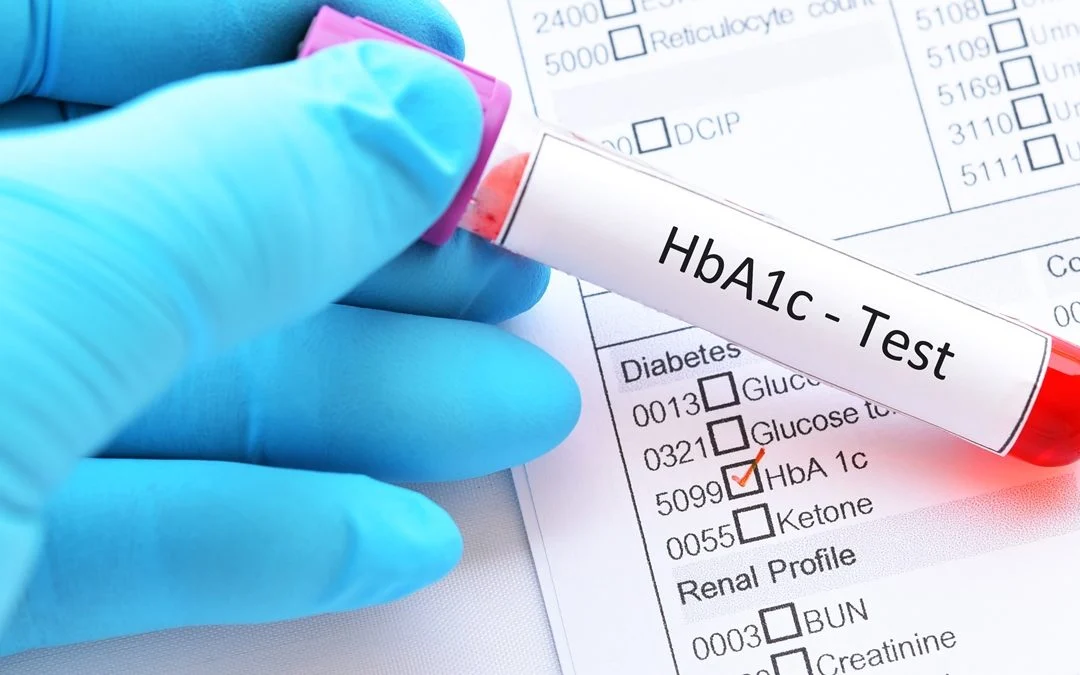
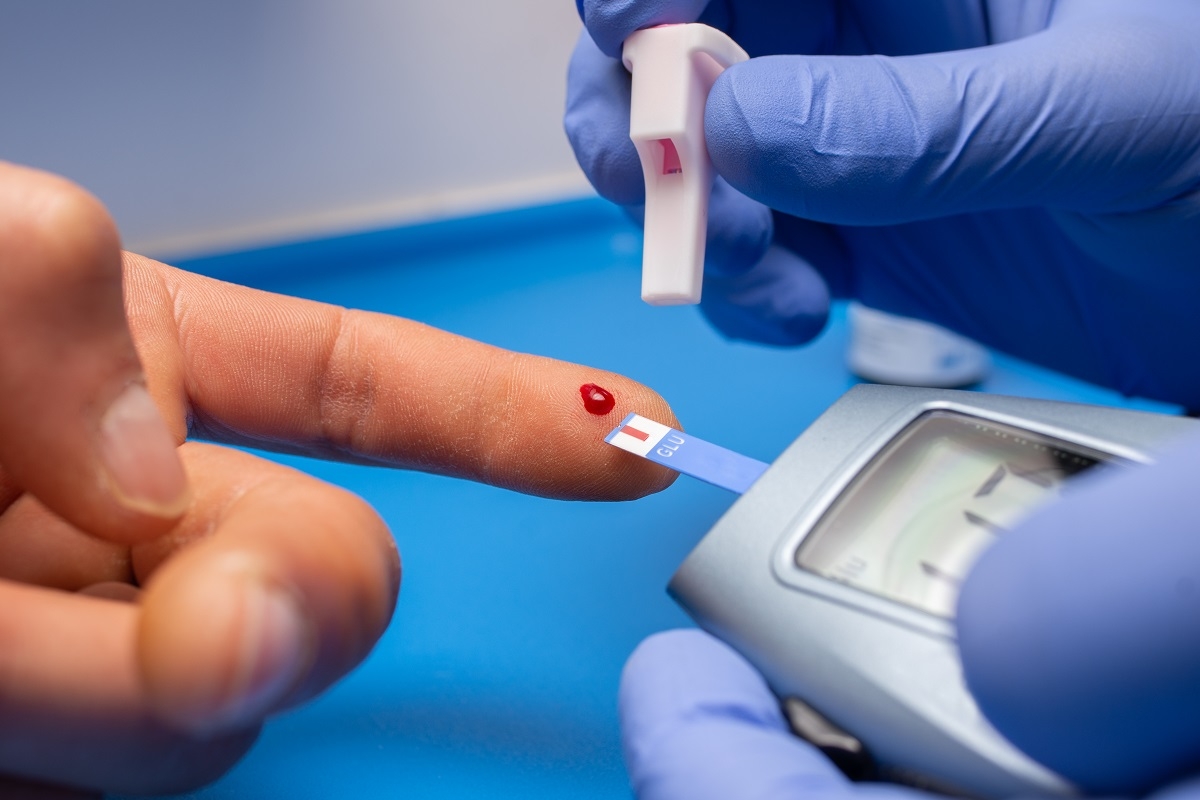
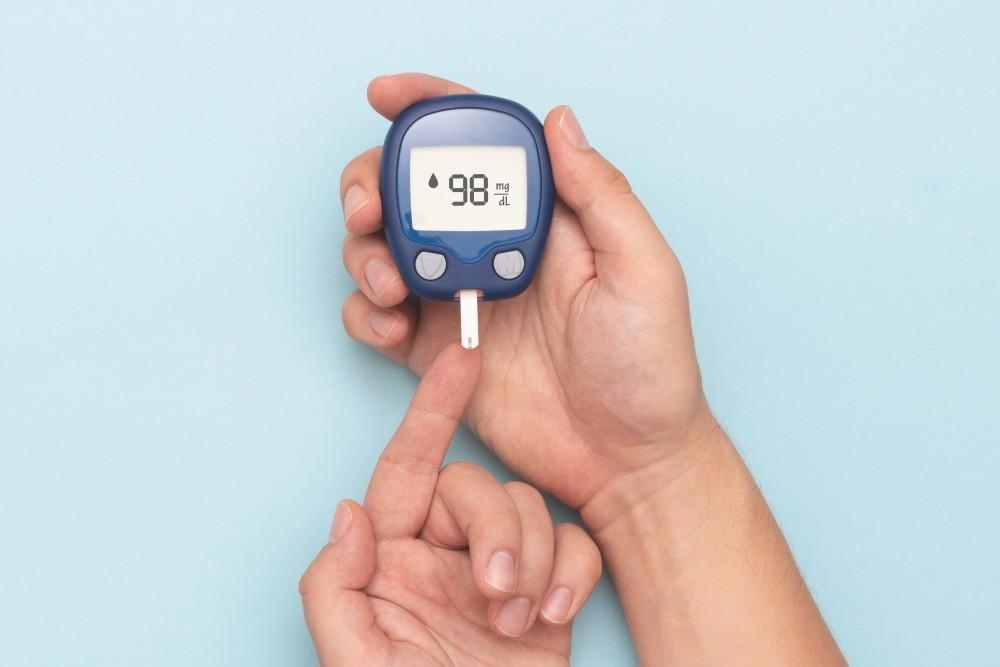
Diabetes now ranks among the top health concerns in Nepal the fastest way diabetes is spreading. A sedentary lifestyle, unbalanced diet, and stress, along with minimal physical activity, have been crucial factors in the rising number of people with high blood sugar in cities such as Kathmandu. Many of these patients are still depending solely on either fasting or random sugar testing, which only gives an instantaneous view of blood sugar. To corroborate sugar control, the HbA1c test is deemed by physicians the only way to go.
If your interest lies in the HbA1c test’s presence in Nepal, or more so the HbA1c test in Kathmandu, then this article is for you as it would lay out the reasons as to why this test is fundamental to your long-term health.
What Is the HbA1c Test?
The HbA1c test (glycated hemoglobin test) draws blood to report your average blood sugar level during the past 2-3 months. It does so by assessing the level of glucose that has bonded with hemoglobin in the red blood cells. Since the lifespan of these cells is around three months, the test gives you a reliable long-term picture of your sugar levels.
On the contrary, fasting sugar tests require fasting beforehand; however, the HbA1c test does not, thus making it user-friendly and accurate.
Why Is the HbA1c Test Important?
In Nepal, the majority of the diabetes cases are diagnosed only after the development of complications.Through HbA1c testing, this scenario is mostly avoided as it detects poor sugar control at an early stage.
Among the advantages are the following:
- detecting diabetes and pre-diabetes cases early
- monitoring long-term blood sugar control
- preventing complications such as kidney disease, heart problems, nerve damage and vision loss
- Assisting doctors in adjusting medication and providing lifestyle plan
Mediating the HbA1c Levels
|
HbA1c Level |
Diagnosis |
|
Less than 5.7% |
Normal |
|
5.7% – 6.4% |
Pre-diabetes |
|
From 6.5% Positive |
Diabetes |
Maintaining HbA1c content below 7% is the target for majority diabetic patients.
The Significance of HbA1c Testing in Nepal
Changing food habits along with less physical activity have made the younger population in Nepal vulnerable to diabetes at an earlier age than before. Periodic HbA1c testing in Kathmandu could help the early detection of unnoticed sugar harm before it turns out to be life-threatening.
Who Needs the Test?
You should think of getting the HbA1c test done in Nepal if you:
- Are above 35 years of age
- Have a history of diabetes in your family
- Are obese or lead a sedentary lifestyle
- Have the symptoms of tiredness, urination, thirst, or vision problems
How Often Should You Be Tested?
- People at risk: once a year
- Patients with pre-diabetes: every 6 months
- Patients with diabetes: every 3 months
Final Words
The HbA1c test is more than just a regular blood test - it is a means to secure your future. The rapid increase in the number of diabetes cases in Nepal makes regular testing the smartest way to early diagnosis, better control, and a healthier life. If you want to be on the safe side regarding diabetes, consider making the HbA1c test in Kathmandu an essential part of your health routine.