Cart
Cart  Login / Register
 +977 9801081735
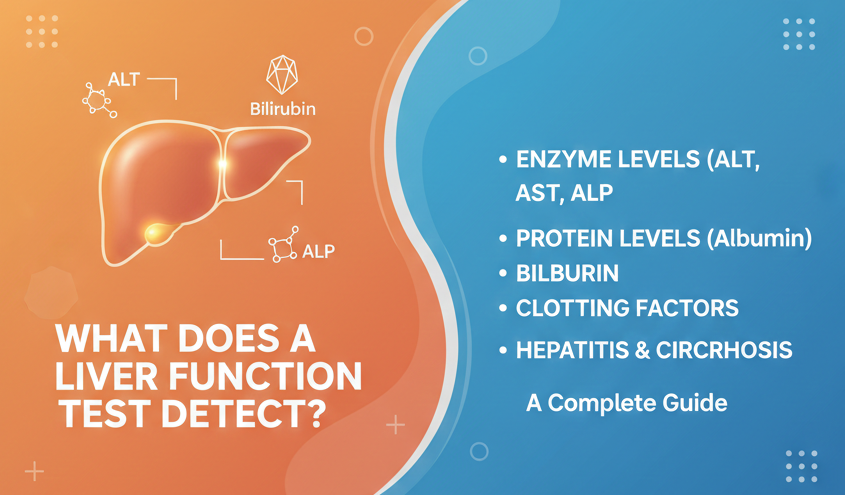
The liver is among the most critical organs in your body as it operates silently and does many things for you: filtering out toxins from blood; producing protein, metabolizing nutrients; and helping with digestion. Many times, however, by the time there are any noticeable signs of liver injury/stress, the injury/stress on the liver has already progressed to a state that can cause substantial health issues. This is when a liver function test (LFT) is very helpful.
This article will give you an overview of the tests included in a liver function test in Nepal or how much it costs to have an LFT conducted in Nepal. The purpose of this article is to provide you with enough information about liver function tests to help you answer the questions: "What does a liver function test look at?" "Who needs an LFT?" and "Why should I get an LFT earlier rather than later?"
What is a Liver Function Test?
A liver function test (LFT) is not one single blood test, but is a grouping of blood tests done that measure certain enzymes, proteins and substances produced or used by the liver. The levels of these substances are used by your doctor to help determine your liver's function and if there is injury/inflammation/infection/blockage to your liver. So while a liver function test may provide very helpful information about your liver, it is not used by itself to diagnose a specific liver disease as it would not provide you with enough specific information to do this.
What are liver function tests?
A liver function test can show abnormalities in key liver markers. Below is a discussion of the liver function tests and what each of the 4 liver function tests can indicate.
Alanine Aminotransferase (ALT)
ALT is an enzyme found in large parts of the liver. When liver cells are damaged or become inflamed, the level of ALT in the blood will increase.
What does this liver function test measure at elevated levels?
- Hepatitis (either viral or alcohol-related)
- Fatty liver disease.
- Medication-induced injury to the liver.
- Early cellular damage to the liver.
Elevated ALT is one of the first signs of liver inflammation.
Aspartate Aminotransferase (AST)
AST is an enzyme found throughout the liver and in other organs, such as the heart and muscles. The level of AST increases in the blood when liver cells are damaged.
What does this liver function test measure at elevated levels?
- Inflammation of the liver.
- Alcohol-related liver disease.
- Advanced injury to the liver.
ALT and AST levels are compared to determine the likely cause of liver injury.
Alkaline Phosphatase (ALP)
The enzyme ALP is related to bile ducts. If bile flow is obstructed or impaired, the level of ALP will increase in the blood.
What does this liver function test measure at elevated levels?
- Obstruction of the bile duct.
- Gallstones.
- Tumors of the liver.
- Cholestatic liver disease.
Elevated ALP may also be indicative of disorders of the bone; therefore, additional testing may be necessary to confirm the diagnosis.
Bilirubin (Total & Direct)
Bilirubin is a yellow pigment that results from red blood cell breakdown (hemolysis). It is produced in the liver and removed from the body.
Bilirubin can be used to identify:
- jaundice
- hepatitis
- bile duct obstruction
- liver failure
When bilirubin accumulates in the body, the skin and eyes turn yellow (jaundice).
Albumin:
Albumin is another protein produced by the liver. Low levels of albumin in the blood may indicate that the liver is unable to manufacture proteins appropriately.
Albumin can be used to identify:
- chronic liver disease
- cirrhosis of the liver
- malnutrition
- kidney disorders (occasionally)
The evaluation of albumin levels helps to evaluate the long-term function of the liver.
Total Protein:
Total Protein measures the total amount of protein present in blood, including albumin and globulin.
Total Protein may be useful for identifying:
- chronic liver disease
- infection
- immune disorder
- Abnormal total protein levels may indicate impaired protein synthesis by the liver.
Common Liver Conditions Detected Through LFT
Liver Function Tests (LFTs) can determine the existence of several common liver disorders. Here are the most common liver diseases detected utilizing LFTs:
1. Fatty Liver Disease (FLD)
Fatty liver disease (FLD) is perhaps the most common type of liver disease now occurring globally. FLD occurs when there is an excessive accumulation of fat within liver cells. FLD is associated with both obesity and diabetes. As a rule, FLD is associated with increased ALT and AST.
2. Hepatitis
Viral Hepatitis A, B, and C all lead to inflammation of the liver. LFTs allow healthcare providers to determine the severity of liver damage and monitor the progress of treatment.
3. Alcoholic Liver Disease
Chronic alcohol consumption can lead to inflammation and cirrhosis of the liver. Liver function tests of individuals with alcoholic liver disease typically demonstrate an AST value greater than with ALT.
4. Cirrhosis of the Liver
Cirrhosis of the liver is advanced scarring of the liver, and liver function tests will often demonstrate elevated bilirubin, decreased albumin, and altered levels of liver enzymes if cirrhosis is present.
The liver function test price in Nepal
The liver function test price in Nepal may vary depending on the type of test, the number of tests, or the diagnostic center, if there are any discounts or offers, is it a part of any health package?
Typical costs include:
Basic LFT panel: It is a basic liver test that is normally a part of routine checkup or a part of a health package.
Advanced liver profile: Liver function test along with other test for hepatitis marker including ultrasound for advance checkup of liver may cost a bit extra than the basic LFT panel.
The majority of diagnostic centers in Kathmandu and other major cities in Nepal provide affordable LFT and also offer facilities like home sample collection, which makes your diagnostic checkup easy and hassle-free.
Concluding Comments
One of the essential blood tests for assessing total body wellness is a liver function test. The results of this test can be used to find early signs of liver damage, manage chronic illness and determine if medical treatment is needed in a timely manner.
If you are having symptoms like tiredness, yellow eyes, stomach pain, or would like to have a preventative test done, consider having a liver test performed at a reputable laboratory in Nepal.