Cart
Cart  Login / Register
 CALL Us
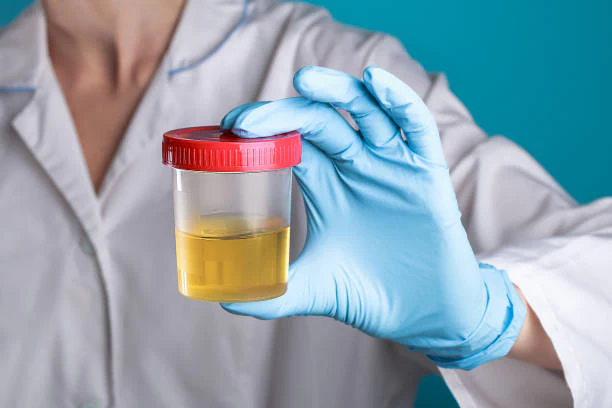
In the health care world, urine testing is among the most prevalent and crucial types of diagnostic testing. Many people undergo this type of testing while experiencing symptoms like fever, burning, or frequent urination, while others simply want to have their general health assessed through routine examinations performed by their doctors. Evaluating urinalysis in Nepal most likely will give you a clear picture of your overall health.
In this article, we will take a look at all the information necessary to understand what you need to know about urine testing including urine testing prices in Nepal, urine testing procedures, and urine testing for different disease processes.
What is a Urinalysis?
Urinalysis (or urine analysis) is an analysis of urine to assess various aspects regarding an individual's health through the physical, chemical, and microscopic properties of urine. Urinalysis is typically used for the following purposes:
- Routine assessment of a person's overall health
- Diagnosis of disease in a person
- Monitoring medical problems by health care providers
Prices For Urine Tests In Nepal
An advantage of urine tests is that they are affordable. Prices vary based on the type of urine test and the diagnostic centre providing the test.
Urine test prices in Nepal range from NPR 80 for the simplest tests to more than NPR 750 for more complex testing.
The usual fees for urine tests in Nepal are described below:
- The general urine test (Routine Urine Examination) in Nepal will cost you around : NPR 80 to NPR 150.
- More advanced urine tests: NPR 300 to NPR 750+.
- Urine test packages (which may include urine analysis, etc.): Starting at NPR 399
- Modern Diagnostic Centre Nepal provides a routine urine examination for about NPR 120.
Urine Tests Available In Nepal
Diagnostic centres in Nepal provide a range of urine tests. Examples include:
Routine Urine Examination (RUE) - This is the most commonly performed test. Urinalysis includes testing for :
- Colour and clarity
- pH
- Protein, glucose and ketones
- Microscopy of urine
Urine Culture Test - This test is used to test for bacteria in urine. This test is helpful in diagnosing urinary tract infections (UTI) and can be used to identify which antibiotic would be effective against the infection.
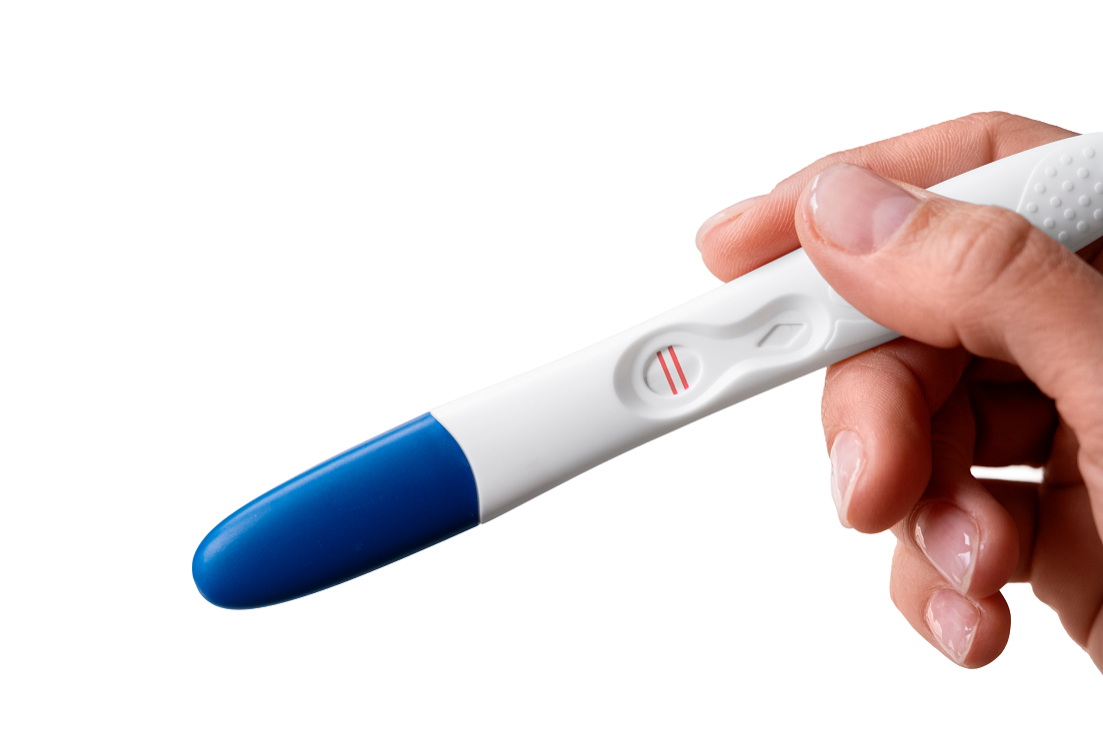
Urine Pregnancy Test - This test is used to test for the presence of hCG hormone to determine whether a person is pregnant.
24-Hour Urine Testing - This type of test is performed to provide a detailed assessment of kidney function and/or metabolic conditions.
Urine Testing Procedures;
The urine test is a fast, easy, and non-invasive method of collecting urine samples for laboratory testing. A normal urine test includes the following steps:
1. Obtain a urine sample
A sterile container will be given to you to collect a urine sample (midstream urine sample is preferred for most laboratories).
2. Prepare to Give an Urine Sample
Ensure that the genital area is clean before you collect the sample. Be sure not to contaminate the sample. Follow any instructions provided by the laboratory before collecting a sample.
3. Testing Urine in a Laboratory
After you have collected a urine sample, the following steps will occur in the laboratory.
- Physical Examination
- Chemical Examination
- Microscopic Examination
4. Getting a Urine Test Report
In Nepal, most laboratories will issue a urine test report on the same day or within 24 hours of the specimen being received in the laboratory.
What is the Purpose of a Urinalysis?
Urinalysis is a good diagnostic test that can identify many different kinds of medical conditions.
1. Urinary Tract Infection (UTI): Testing your urine is the first step in diagnosing many kinds of urinary tract infections.
2. Kidney Disease: When the urine has excessive levels of protein or creatinine, it indicates that there is a problem with your kidneys.
3. Diabetes: Glucose present in urine may indicate diabetes.
4. Liver Problems: If there is a high amount of bilirubin or urobilinogen in your urine, it may be an indication of liver problems.
5. Dehydration: Urine that is concentrated and dark in colour may indicate dehydration.
6. Pregnancy: Urine tests can identify the presence of hormones that can indicate the presence of pregnancy.
7. Metabolic Disorders: Urinalysis can detect metabolic abnormalities that can suggest you have an underlying metabolic disorder.
Due to the wide range of items that can be detected through urinalysis, it is often included in full body health check packages throughout Nepal.
How to Get a Urine Test in Nepal
Markers for diagnosing illness can be found in the urine. Urine tests are widely available in Nepal through:
- Hospitals
- Diagnostic Centers
- Pathology Laboratories
Most modern diagnostic centers in Nepal (such as Modern Diagnostic Center Nepal) offer home collecting services at reasonable prices for urine tests.
Preparing for Your Urine Test
Follow these simple tips to provide an accurate sample:
- Drink enough fluid but avoid excessive fluids.
- Do not drink alcohol before giving your sample.
- Let your doctor know of any medications you have taken.
Final thoughts
Urine testing has proven to be a highly effective, reliable diagnostic tool. Urine tests can help detect various illnesses and disorders, including infections or long term disorders such as Kidney Disease (nephropathy) or Diabetes Mellitus.
In Nepal, urine testing is relatively inexpensive (approximately NPR 80 – 120 for a routine test), making it more easily obtained by individuals who wish to have their health tested. With the ease and speed with which urine tests are completed and results are received; urine testing is an invaluable resource in preventive medicine