Cart
Cart  Login / Register
 CALL Us
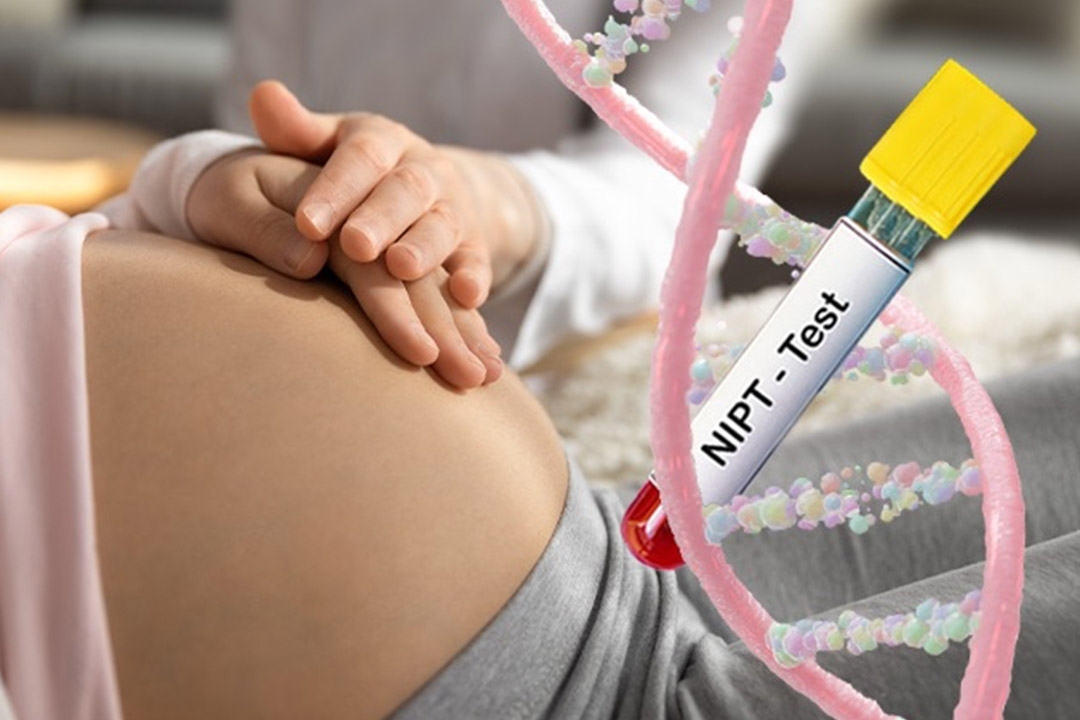
For women who are expecting, pregnancy can be both a thrilling adventure filled with anticipation about the new baby and a cause for concern about how well-developed the child is. With new technologies in medicine today, expectant parents today have more access than ever before for safe, non-invasive testing. Specifically, non-invasive prenatal testing (NIPT) has gained immense popularity with expectant moms in Kathmandu.
NIPT is another option available to detect genetic abnormalities in the fetus and is itself risk-free to your own health. This article provides you with insight into what NIPT is, how it works, its advantages, accuracy, procedure, and leading reasons why it is so popular in Kathmandu.
What Is NIPT?
The Non-Invasive Prenatal Test (NIPT) is a blood test performed during pregnancy to screen for chromosomal abnormalities of the developing baby. NIPT is a non-invasive test requiring a simple blood draw from the mother’s arm.
Tiny pieces of fetal DNA circulating in a woman's bloodstream are analyzed by the non-invasive prenatal testing (NIPT) test. The health care professional can assess a woman's likelihood of having a fetus with a genetic disorder based on the analysis of that fetal DNA.
Common reasons for performing an NIPT include the following:
- Down syndrome (Trisomy 21)
- Edwards syndrome (Trisomy 18)
- Patau's syndrome (Trisomy 13)
- Abnormal sex chromosomes
- Specific universal mutations with certain microdeletions using advanced panels
Since the procedure is non-invasive, it is not associated with a significant risk of miscarriage and generally represents a safer option than conventional diagnostic procedures.
Why Is NIPT Gaining Popularity in Kathmandu?
Expectant parents have been more aware about the health of their baby. An increasing number of couples are utilizing these types of advanced prenatal screening tests due to increased knowledge about maternal and fetal health. In this we have tried to explain the reasons why NIPT testing has gained significant popularity:
1. Extremely Accurate Testing
The NIPT test has a high accuracy rate. It is capable of detecting Down syndrome precisely in comparison with standard first-trimester testing options by producing fewer false-positive results.
2. No Risk to the Mother or Baby
The only test sample required for NIPT is maternal blood, thereby carrying no potential physical harm for either mother or fetus. As such, it is a preferred method of testing for women who want peace of mind throughout their pregnancy.
3. Early Detection
NIPT testing may occur as early as 10 weeks into the pregnancy and because of this early testing, parents can make informed decisions regarding their pregnancy and prepare for any medical care needed before having their child.
4. Availability of Advanced Diagnostic Testing Locations
Due to the establishment of modern healthcare facilities and laboratories throughout Kathmandu, there is now greater access to advanced prenatal testing services such as NIPT than ever before!
Identifying Women Who Might Benefit from NIPT Testing
NIPT is an option for most pregnant individuals; however, the following individuals may want to consult with their doctor about whether NIPT would be appropriate in their case:
- Women who are 35 years old or older
- Women who have a history of genetic disorders in their family
- Women who have abnormal ultrasound results
- Women who have abnormal results from first-trimester screenings
- Couples wanting to do more accurate prenatal screening
- Women who have previously lost pregnancies because of chromosomal abnormalities
Many low-risk pregnancies will also find NIPT as a safe and highly accurate way to assess the risks of having a chromosomal abnormality.
When is NIPT testing performed?
Most practitioners recommend that NIPT testing be completed by 10 weeks gestation. At this time, the mother's blood contains sufficient fetal tissue to generate accurate screening tests.
The use of NIPT, ultrasound, and routine prenatal visits should be done together for adequate prenatal care.
NIPT Test Offers Several Benefits:
- High Accuracy.
- NIPT is very accurate at identifying certain chromosomal abnormalities.
- Lowering Anxiety.
- Higher accuracy rates eliminate anxiety related to false-positive results.
- Lower Risk of Invasive Testing.
In many situations, a low-risk result from an NIPT test can allow for avoidance of invasive diagnostic tests such as amniocentesis that have a small chance of having complications.
Reduction of Emotional Stress Related to Pregnancy.
Pregnancy can bring about emotional stress; especially when parents have concerns regarding potential genetic/health issues for the fetus. NIPT can provide comfort and allow parents to feel comfortable and secure through their pregnancy.
Planning for the Future (If a High-Risk Result).
Having a high-risk NIPT test result provides parents and health care providers with the option to begin planning ahead regarding the type of future medical treatment or counseling a child may need.
Limitations of NIPT:
NIPT is a very sophisticated way of testing for certain genetic disorders, however, there are some limitations involved:
- It will not identify every genetic disorder.
- There can sometimes be inconclusive results from NIPT testing.
- The accuracy may vary depending on whether you are carrying multiples (twins, triplets, etc.) or if you have some underlying health conditions.
- Positive results from NIPT testing do require follow-up with further diagnostic testing.
It is therefore recommended to speak with your OB/GYN or genetic counselor regarding the implications of your NIPT test results.
To Conclude:
In Kathmandu, NIPT testing has changed how people obtain prenatal care during pregnancy by providing them with a reliable, cost-effective, and non-invasive way to screen for genetic problems in pregnant mothers. As knowledge continues to expand around maternal health, more women are now choosing advanced prenatal tests to allow them more time to prepare for the birth and have peace of mind when they do have their child.
NIPT is essential to the experience of every modern pregnant woman because it provides the opportunity for a pregnant woman to know whether her child has a genetic disorder at an early stage of her pregnancy with high accuracy and absolutely no risk to the unborn child. If you are currently pregnant or considering becoming pregnant and would like to talk about the many benefits of NIPT, please speak with your doctor to assist you in making an informed choice to have a healthy pregnancy.