Cart
Cart  Login / Register
 CALL Us
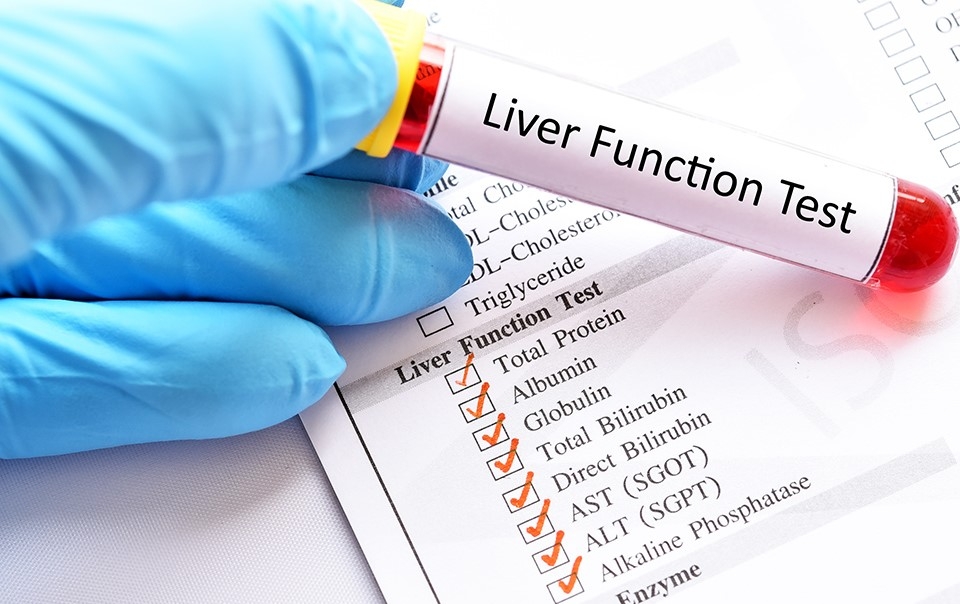
The liver is a crucial part of the human endocrine system. It performs various functions of the human body and is not limited to filtering out toxins and metabolizing food, making proteins, and aiding in digestion, so it does a lot of work for you. Unfortunately, many diseases of the liver develop very subtly without any or very few early warning signs. This is why having a liver function test (or LFT) performed in Nepal is so vital in catching underlying liver issues before they become significant.
A simple blood test can help you learn about your liver's health by allowing your doctor to assess your liver's function by measuring various substances produced by your liver and other areas of your body. The results of an LFT can also assist your doctor in determining whether or not you have any liver problems, such as fatty liver disease, hepatitis, liver inflammation or liver damage. In this article, we will try to explain the liver function test, health risks related to the liver, and potential liver diseases.
Liver Function Test Defined
Liver function tests (LFTs) are a one-shot test that checks the level of specific enzymes, proteins, and other substances in the blood to assess how well the liver is functioning. LFTs are commonly performed as part of preventative health screenings, to monitor certain diseases, or when patients exhibit symptoms suggestive of liver disease.
Liver function testing requires a small sample of blood and can typically be completed within a few minutes of obtaining the sample.
How Are Liver Function Tests Performed?
Liver function tests include a variety of important markers of liver health:
Alanine Aminotransferase (ALT)
ALT is an enzyme produced primarily by liver cells. ALT levels will be elevated in cases where there is damage to liver cells from hepatitis, nonalcoholic fatty liver disease, drug-related liver disease, etc.
Aspartate Aminotransferase (AST)
AST is another enzyme released from damaged liver cells. High AST concentrations typically indicate inflammation or injury to the liver.
Alkaline Phosphatase (ALP)
ALP is useful to evaluate the functioning of the bile ducts. Elevated levels of ALP may indicate obstruction of the bile ducts or certain types of liver disease.
Bilirubin
Bilirubin level tells you how much bilirubin is in your bloodstream. When red blood cells die, they break down into a substance called bilirubin, which helps the body get rid of old red blood cells and produce new ones. If you have elevated bilirubin levels, you may see yellowing of the skin and eyes (jaundice) and/or liver or bile duct problems.
Albumin
Albumin is a protein created by your liver. Low levels of albumin may indicate poor liver function or long-term liver disease.
Total Protein
Total protein is the total of all proteins in the blood, and it can help assess how well your liver is working.
Hidden Liver Problems Detected Through A Liver Function Test
Fatty Liver Disease (FLD): It is a condition when your liver cell contains too much fat; it is at an all-time high due to obesity, type 2 diabetes, and lack of exercise. Most people with FLD do not feel ill in the early stages of the disease. Abnormal liver enzymes in a liver function test (LFT) performed at a lab may help identify a person with fatty liver disease.
Hepatitis: is the inflammation of the liver, usually due to a viral infection (Hepatitis A, B, C). A liver function test will show a person with hepatitis who is experiencing some type of liver inflammation because of increased levels of liver enzymes. Additional tests will determine the cause of liver inflammation (hepatitis).
Liver Disease Due to Alcohol: The long-term effect of too much alcohol on the body is often a build-up of liver tissue damage.
Many people do not realise they have suffered from damage to the liver until they have a lot of damage done. Doing liver function tests in Nepal regularly will help pick up alcohol problems early on with a view to stopping it as soon as possible.
Liver Damage Caused by Medications: Several kinds of medications and/or supplement products may play a part in liver function.
Routine monitoring with liver function tests will help you pick up problems with the liver due to using drugs before you develop any significant complications.
Possible Signs of a Need for a Liver Function Test
If you experience any one or several symptoms, it may not be necessary for you to have a liver function test, but if you are in any way concerned about your liver, healthcare practitioners will normally recommend that you have one done.
There are many different symptoms that may indicate that you need to have a liver function test:
- Chronic Fatigue
- Abdominal Pain
- Loss of Appetite
- Nausea & Vomiting
- Unexplained Weight Loss
- Dark Urine
- Pale Stools
- Yellow Skin or Eyes (Jaundice)
- Swelling in The Abdomen or Legs.
It's important to remember that there are many liver diseases that have no symptoms and therefore screening can be a very powerful means to detect these diseases before they are treatable, even preventable.
Final Thoughts:
Liver disease can be very silent, it's important to detect early once again before it affects your long-term health. A liver function test in Nepal provides a convenient, affordable and accurate procedure for identifying any hidden liver disease that may exist and become severe before it can be detected.