Cart
Cart  Login / Register
 CALL Us
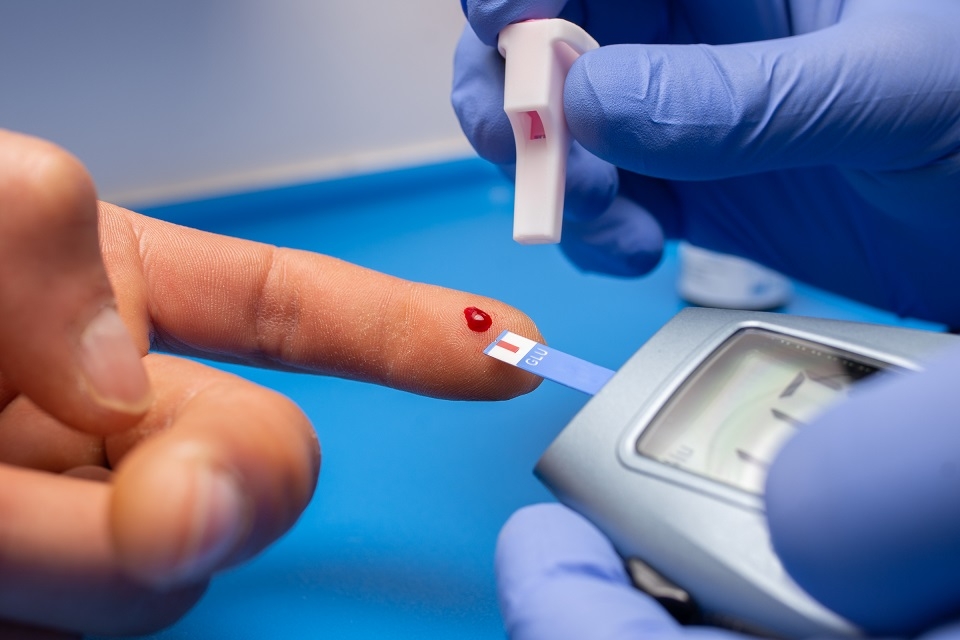
In Nepal, diabetes is severely increasing due to society's shift towards unhealthy habits in the workplace and at home. With so many stressful situations, obesity, and sedentary lifestyles being so common, there has been a huge increase in the number of individuals with elevated blood sugar levels. Many times the high blood sugar level is present for months before an individual is properly diagnosed. Therefore, it is critical that one regularly screen themselves for diabetes to prevent serious complications later in life.
Currently, testing for diabetes is much easier than it has ever been before. The option to perform diabetes tests from home makes it convenient for many people who would prefer not to take a day off from work or travel to the hospital or a diagnostic lab to have their blood tested for glucose levels. Home testing is the ideal solution for the elderly patient, a busy professional, or even those who have limited mobility.
This blog will discuss how home testing for diabetes is performed, advantages of home glucose testing, the accuracy of home glucose testing, various tests available for testing blood glucose levels and the importance of being proactively tested for diabetes.
What is a Diabetes Test?
A diabetes test evaluates the level of glucose (sugar) that is present in an individual's bloodstream. A test can be used to determine the body's ability to maintain proper regulation of blood sugar levels as well as the potential for developing type one or type two diabetes or having prediabetes.
When determining whether to test for diabetes, doctors will typically diagnose patients with the following symptoms:
- Frequent urination
- Increased thirst
- Unintentional weight loss
- Fatigue and weakness
- Poor vision
- Poor healing of wounds
- Increased hunger or appetite
- Tingling of the hands and feet
For anyone who has a family history of diabetes, is overweight, has high blood pressure, or leads a sedentary lifestyle, regular diabetes testing is highly recommended.
What Makes Home Diabetes Testing Increasingly Popular in Nepal
Access to health care services in Nepal has improved significantly over the past few years, and many more patients can now receive the care they need at home. Home diagnostic services are now available in many centres across Nepal and can be accessed through the cities of Kathmandu, Lalitpur, and Bhaktapur.
The following are significant reasons why home testing for diabetes is becoming so popular in Nepal:
1. The Convenience of Home Testing
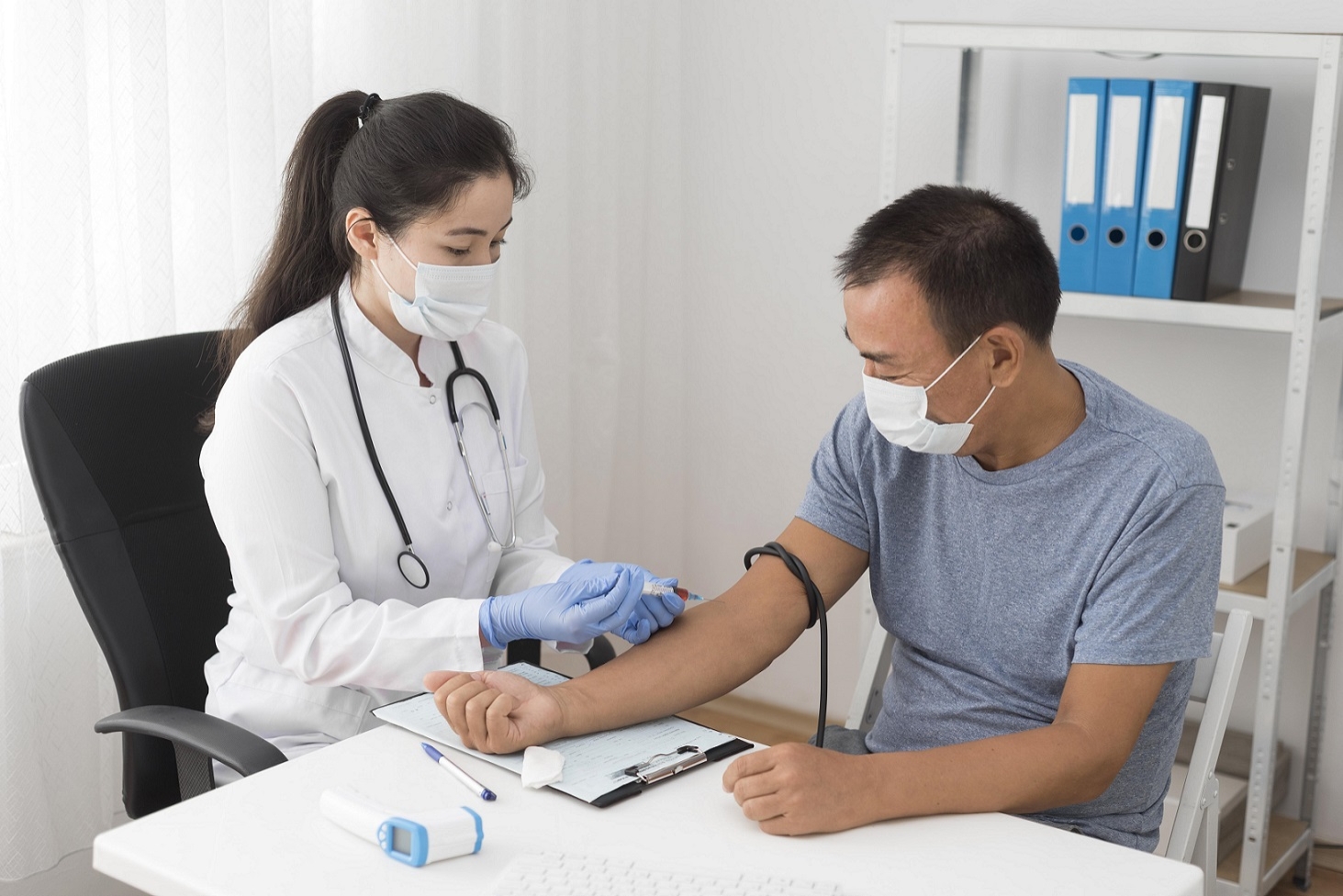
Convenience is a huge benefit of home testing. Patients do not have to travel long distances, wait in line for long periods of time, or spend hours at a clinic waiting to be seen. Instead, a trained phlebotomist will come to your home, take your blood sample, and get it tested in a laboratory.
Home testing is especially beneficial for elderly patients, pregnant patients, busy professionals, patients recovering from serious illness, and people who cannot use or walk.
2. Time Savings
Hospital visits can be a hassle due to bad traffic or being too busy. This is where having your samples collected at home helps you save time and make getting care more efficient.
3. Lower Chance of Getting an Infection
Home testing is also preferred because you are not exposed to crowded clinics or germs, which decreases your risk of infection and makes it safer for vulnerable people.
4. Your Comfort & Privacy
Older patients or those struggling with anxiety usually don't like the crowded environment of a diagnostic lab. The home sample collection of diagnostic labs in Kathmandu offers their customers a choice to choose a diagnostic test in their home where they feel most comfortable.
Types of Diabetes Tests That Can Be Done at Home
In Nepal, you can access different blood tests related to diabetes via home sample collection services.
Fasting Blood Sugar Testing (FBST)
To conduct an FBST, the patient must fast for 8 to 10 hours. The purpose of the test is to determine blood sugar levels and it is frequently performed to diagnose diabetes.
Postprandial Blood Sugar Testing (PBST)
A postprandial blood sugar test is used to determine the increased blood sugar level after having a full meal. It is helpful in determining how well your body processes the glucose after your meals.
Random Blood Sugar Testing (RBST)
This is the most easy and common type of blood sugar test, though it is not often recommended to diagnose the condition. It is more of a monitoring test. A random blood glucose measurement can be performed at any time and without fasting. This test is often performed as a preliminary screening tool.
HbA1c Testing
HbA1c testing provides a measurement of average blood glucose concentrations over the past 2 to 3 months and is considered one of the best tools for tracking long-term management of diabetes.
Do Home Glucose Testing Devices Work?
Whether or not a person can accurately test their glucose level in their own home is an ongoing question for many diabetes patients. Depending on the lab and the testing protocols being followed, the answer can be yes—if the laboratory providing the service is trustworthy.
Many factors determine the validity of a glucose test when performed at home:
- Sample collection method
- Transportation method
- Lab equipment
- Laboratorian skill level
- Quality Control
Reliable diagnostic laboratories adhere to strict medical guidelines to provide reliable and accurate results.
However, remember that the glucose test itself is not performed at your home; only the blood sample collection occurs at home. The glucose sample is collected in your home; however, the actual analysis of that glucose sample occurs in a certified laboratory using laboratory equipment and by a qualified lab technician.
Diabetes Complications
Diabetes, if untreated, can result in complications that may affect other parts of your body. Complications caused by diabetes can include:
- Heart problems
- Kidney problems
- Nerve problems (nerve damage)
- Eye problems (vision impairment)
- Foot ulcers
- Stroke
Many patients discover they have diabetes after developing one or more complications. Routine testing can help detect the disease sooner, resulting in lower risk of long-term health complications.
Final Comments
Diabetes is a significant health concern, where early screening can help limit long-term disability and improve quality of life while living with this condition. Regular testing is critical in reducing disease-related complications and improving overall long-term health. Testing for diabetes is now easier, safer, and available through home-testing kits in Nepal than ever before.
If you require either a fasting blood glucose or a complete diabetes profile/A1C test, at-home sample collections can be performed comfortably and reliably. Selecting a reputable medical laboratory will give you the most accurate result for use in obtaining better healthcare outcomes.